Veterans Day is a time to say thank you.
Veterans Day is a time to say thank you.
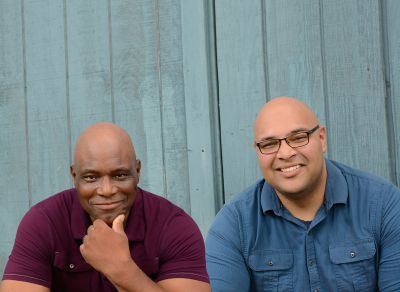
Here are some outtakes from our September/October 2017 ABMP Member Profile for Derek and Ephraim Oliver.
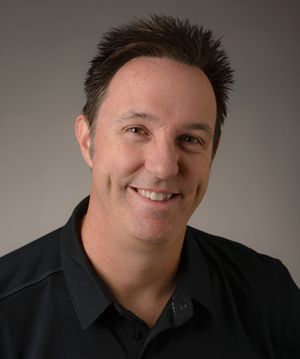
In this week's Advice from the Pros, get tips on marketing and customer service from Eric Stephenson of imassage.
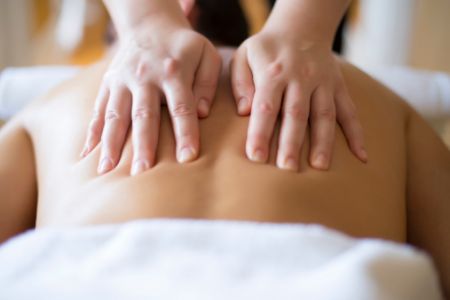
It was one of those quotes that you know you’ll never forget. “I tell people that my longevity is due to Estée Lauder and good genes, but I think I need to add massage to that, too.”

Movement provides our bodies with joyful noise—somatic noise.

There are three quick, surefire ways to confirm a suspected forward head posture (FHP).

Allissa Haines (www.massagebusinessblueprint.com) gives tips on client retention and marketing in this week's Advice from the Pros.

Sometimes you just have too many clients in one day. And sometimes the last client wants deep pressure. Here are some survival tips.
This week's Advice from the Pros comes to us from Ben Benjamin, PhD, co-author of Ethics of Touch (Sohnen-Moe Associates, 2013).

This blog post is an excerpt from “Tips to Improve Your Finances” in the September/October 2017 issue of Massage & Bodywork magazine, sent to ABMP members as a benefit of membership. Read the full issue online at www.massageandbodyworkdigital.com.